
For every expecting family in Shanghai, two questions sit alongside the excitement: which hospital and how much is this actually going to cost?
They’re fair questions. Having a baby here can be one of the biggest financial decisions a family makes, and it usually comes at a time when you have the least headspace for spreadsheets.
So we’ve put together a plain-English guide to how the financial side works: the insurance questions worth asking, the terminology you need to know, and a range of self-pay options if that’s the route you’re taking.
And near the end, there’s something special for Shanghai Mamas members.
8 questions to ask your insurer
Specific to maternity coverage
Before we get into the questions, one important point: although the clinic or hospital you attend may be able to contact your insurer on your behalf to confirm basic details of your coverage, there is often information that only you, as the policyholder, can access. It pays to ask these questions yourself and get the answers directly from your insurer, and then we’re here to help you understand how their responses apply to your care.
Many billing surprises come from questions that could have been asked much earlier in pregnancy. Without knowing your coverage limits and conditions from the outset, you may end up using your insurance in a way that is less financially advantageous than choosing a fixed-price package (more on packages later).

Ask the following questions early and get the answers in writing. A verbal answer can be difficult to rely on (or even remember!) later.
01 Do I have maternity cover, and what’s the maximum benefit?
Unlike your regular accident and sickness cover, maternity benefits are often capped with a separate, significantly lower limit.
02 Is there a maternity waiting period- and how long is it?
Does my maternity coverage become available as soon as the waiting period ends, regardless of how far along I am in the pregnancy? Or does the policy only cover pregnancies conceived after the waiting period has finished? Check these terms even if you have previously had maternity coverage on the same policy, since some policies reset with a new maternity waiting period after each birth, or cover maternity during this period but with a significantly lower limit.
03 How is my maternity benefit calculated?
Is it per pregnancy, per policy year or per calendar year? A pregnancy that spans two benefit years might give you access to two separate maternity benefit limits, potentially increasing your total available coverage.
04 Are pregnancy and birth complications covered under a separate benefit limit?
Or are they included under the same limit as routine maternity care? Some policies offer substantially higher coverage for complications of pregnancy and/or childbirth, including medically necessary cesarean births.
05 When can I add my baby to my policy, and is the baby covered from birth?
Does the baby have automatic coverage from birth, and for how long? Are newborn medical expenses, including in a NICU (neonatal intensive care unit), covered under a separate benefit or drawn from the same maternity limit? We all hope for an uncomplicated start, but if specialised newborn care is needed, costs can add up quickly.
06 How do I add my newborn to my policy?
What is the process, and can this be arranged before we discharge from hospital, covering any unexpected treatment my baby might need? It usually requires you to submit the baby’s birth certificate to the insurer, and so you may need to ask both your insurer and your hospital the time-frame for handling this (and is this different during weekends or holidays)?
Although your baby may be covered from birth, direct billing is only available once they have been added to your policy. Until then, you may need to pay upfront and claim reimbursement from your insurer later.
07 Are any conditions excluded from my baby’s coverage?
Ask specifically about congenital conditions (conditions arising during fetal development, including some physical or chromosomal differences) and neurodevelopmental conditions that might become apparent later (such as autism). Also check whether any prenatal findings, including those identified through ultrasound or genetic testing, could affect the baby’s eligibility for coverage or result in exclusions.
08 Does my insurance cover the care at my preferred hospital, and is direct billing available?
Check whether the hospital is within your insurer’s approved network and whether direct billing is available for both inpatient and outpatient services.
Bonus question for your hospital:
Does my insurer have a preferential rate or discount with your hospital when I use direct billing for inpatient or outpatient services? In some cases this can result in a lower bill than if you had taken a package!
Need-to-Know Insurance Terminology
A short glossary, and how it pertains to maternity care
Insurance terminology can feel like a new language if you’re unfamiliar with it, but understanding the basics and how they apply to your policy can help avoid unexpected financial surprises.
01 Direct billing
The hospital bills your insurer directly- you only pay if there is any portion not covered by your insurance.
02 Deductible
The amount you must pay yourself before your insurance starts covering eligible expenses. This may apply annually, per condition or separately for each person covered under a family policy.
03 Co-payment (“co-pay”)
Your share of an eligible medical bill, usually a fixed amount or a percentage of the bill. These may differ for inpatient, outpatient and day-surgery services, and maternity may have a separate co-payment arrangement.
04 Waiting period
The time you must be covered by a policy before you can claim a particular benefit. Maternity care is one of the most common conditions to incur a waiting period.
05 Routine maternity care
Standard prenatal appointments, monitoring and care associated with an uncomplicated pregnancy and birth.
06 Complications of pregnancy or birth
Medical conditions or events that require additional care beyond routine maternity services. Examples may include monitoring or treatment of gestational diabetes, pre-eclampsia or preterm labour, a medically necessary induction or c-section, or treatment for postpartum hemorrhage. Insurers differ in what they classify as a complication. Some policies have separate benefit limits for pregnancy complications and birth complications, while others combine them with routine maternity coverage. Check both categories carefully, as coverage for one does not necessarily mean coverage for the other, and each insurer will consider the conditions covered as complications differently.
Even if you have complications coverage, with the exception of c-section, most insurers will not automatically separate the bills for complications from your routine care- you will likely need to specifically request it, and may need to submit a letter or paperwork from your doctor as supporting evidence.
07 Underwriting
When buying insurance, this is the process by which an insurer assesses your health, medical history and risk factors before deciding whether to offer coverage and on what terms. Depending on your history, this may result in exclusions, additional premiums, restrictions on pre-existing conditions, or even an application being declined outright.
08 Exclusions
Specific conditions, treatments or circumstances that are not covered by your insurance policy.
An important consideration for expectant parents who conceived through assisted reproductive technologies (such as IVF): some policies may impose restrictions on pregnancy cover and apply stricter underwriting to the baby (or exclude them from cover completely).
09 Situational Exclusions
Circumstances in which an otherwise covered condition or injury becomes excluded. For example, a broken arm would normally be covered, but might not be if it occurred while riding a motorcycle. Similarly, an injury requiring stitches may be covered unless it results from an accident while under the influence of drugs or alcohol. It’s worth reading the exclusions section of your policy handbook carefully!
10 Reimbursement
Often referred to as “pay and claim”. You pay the clinic or hospital bill upfront and then submit a claim directly to your insurer so that they can pay you back the amount covered.
11 Broker
An insurance broker is an intermediary who helps clients find and arrange suitable insurance coverage by comparing policies from different insurers. They can also help communicate with your insurer, clarify coverage and navigate complicated or disputed claims. If your insurance is provided through your employer, there is a good chance a broker or benefits administrator is involved in managing the policy.

Options If You Don't Have Maternity Insurance
or the cover is limited
Not everyone has maternity insurance, and even those who do may find that their coverage limits end before the pregnancy or birth does. That’s why we believe in full pricing transparency, so you can build a realistic budget from day one.
Here’s a range of self-pay options available at Am-Sino International Birth Center:
- Prenatal check-up packages:from ¥10,000, depending on when you start it
- Delivery packages: from ¥50,000 for a vaginal birth, from ¥78,000 for a C-section
The figures above are standard list prices, but seasonal promotions, package-bundling discounts, instalment plans and preferential rates for members or clients of specific organisations may apply. Contact us for a tailored quote!
Tips When Comparing Hospitals
It’s important to understand that hospital maternity packages are not necessarily all-inclusive. They generally cover only a defined set of services and items that are routinely expected during pregnancy and birth.
Ask each hospital you are considering for a full list of inclusions in their package, and then about the additional costs associated with the most common excluded circumstances. No hospital can provide a list covering every possible medical eventuality, but they should be able to explain the most common additional charges. You may find that once you add up the likely additional costs, a more expensive package is actually more comprehensive, ultimately saving you money.
Another useful tip when comparing maternity hospitals is to look at their quality indicators and clinical outcome statistics, including c-section rates. These provide insight not only into the care patients receive but can also help you understand the statistical likelihood of potential financial risks.
Before committing to a maternity package, it’s also worth discussing with your doctor whether any factors in your medical history or early pregnancy indicate that you might need additional monitoring, testing or a different delivery plan. Some of these factors can be anticipated early and usually fall outside the package’s standard inclusions. While it’s impossible to predict every eventuality, understanding the additional care you are more likely to need can help you estimate potential out-of-pocket costs.
Claudia is 35 and pregnant with her first baby. Although her pregnancy is progressing normally, her age and first pregnancy are among the factors considered when assessing her risk of developing preeclampsia (a life-threatening, pregnancy-related condition). Following her risk assessment, of these and other factors, her doctor recommends additional preventative monitoring, such as more frequent blood pressure checks, urine testing, blood tests or ultrasounds, to help identify early warning signs.
Why does this matter financially?
Claudia’s maternity insurance covers the treatment of preeclampsia as a pregnancy/birth complication if she develops the condition. However, it does not cover the additional risk-reduction monitoring treatment needed because of her increased risk factors as a complication of pregnancy. Instead, these tests will be charged against her routine maternity benefit, meaning she will use up more of her maternity coverage than she anticipated, leaving less available to cover the costs of her pregnancy and birth.
If Claudia had purchased a prenatal care package instead, she could also face additional out-of-pocket costs, as this extra monitoring would fall outside the routine care included in the package.
Looking beyond the headline package price and considering both population-level clinical outcomes and your individual likelihood of needing care beyond routine protocols can help you better anticipate the potential financial costs.
And for Shanghai Mamas Members, There's One More Option...
Am-Sino International Birth Center has long supported Shanghai Mamas in making our Birth Center experience accessible to more families.
The Streamlined Birth Package, available exclusively to Shanghai Mamas members, is an entry-level birth package offered at a preferential member rate. It is designed for budget-conscious families who want the quality of care and reassurance of our International Birth Center without the additional cost of a premium suite.

How to use this benefit: Mention your Shanghai Mamas membership when you contact us and quote the current discount code. The code is refreshed monthly, so please make sure you use the code valid at the time of your enquiry.
Please note that this offer is not eligible for direct billing. However, you may still be able to claim the expense through your insurer using the reimbursement process, depending on your policy.
Whichever Hospital You Choose...
We want you to choose the hospital that’s right for you, and we recognise that it might not be us. Ultimately, this article is about helping you access the information you need in order to make the best decision for your family.
If you’d like to learn more about our services, get in touch. We can arrange for you to meet our team, tour the Birth Center and even join our Pregnancy, Breastfeeding and Baby Care classes, where you can learn what to expect at every stage of pregnancy and birth, regardless of which hospital you choose!

If you prefer to talk numbers first, we also offer online maternity plan consultations. Share your insurance coverage details (or let us know if you’re self-paying) and your due date, and our team will walk you through the figures online in English, helping you build a plan that fits your budget, all from the comfort of home.
No obligation, no sales pitch – just the numbers that help you plan your finances with confidence.
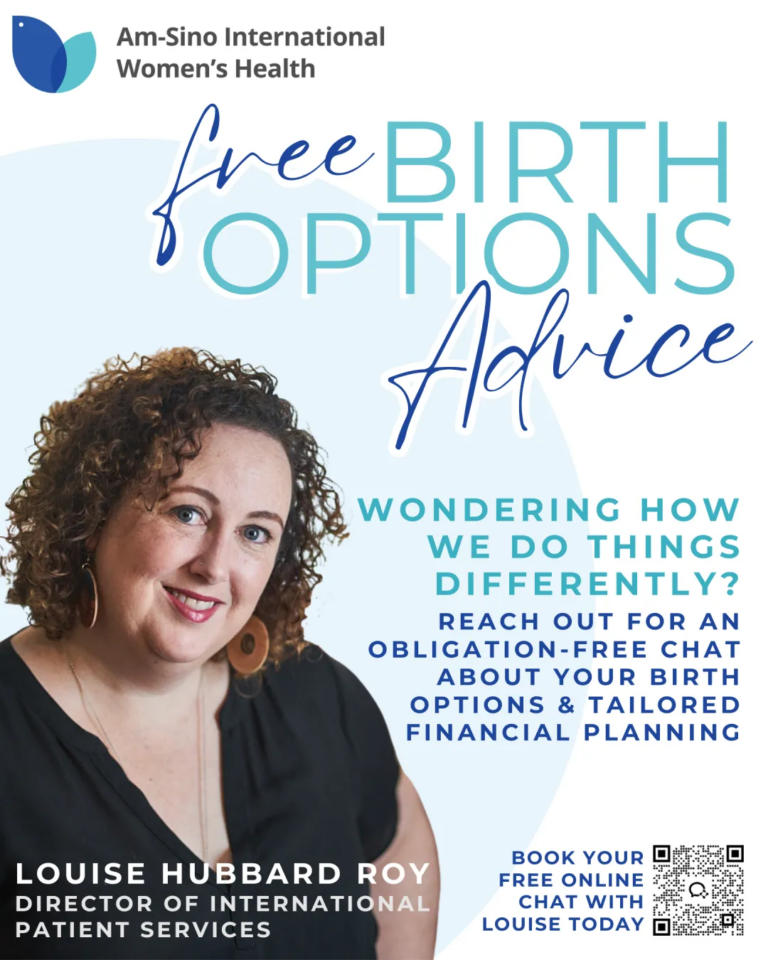
Pregnancy comes with enough unknowns, but we believe the expected cost of your care shouldn’t be one of them.


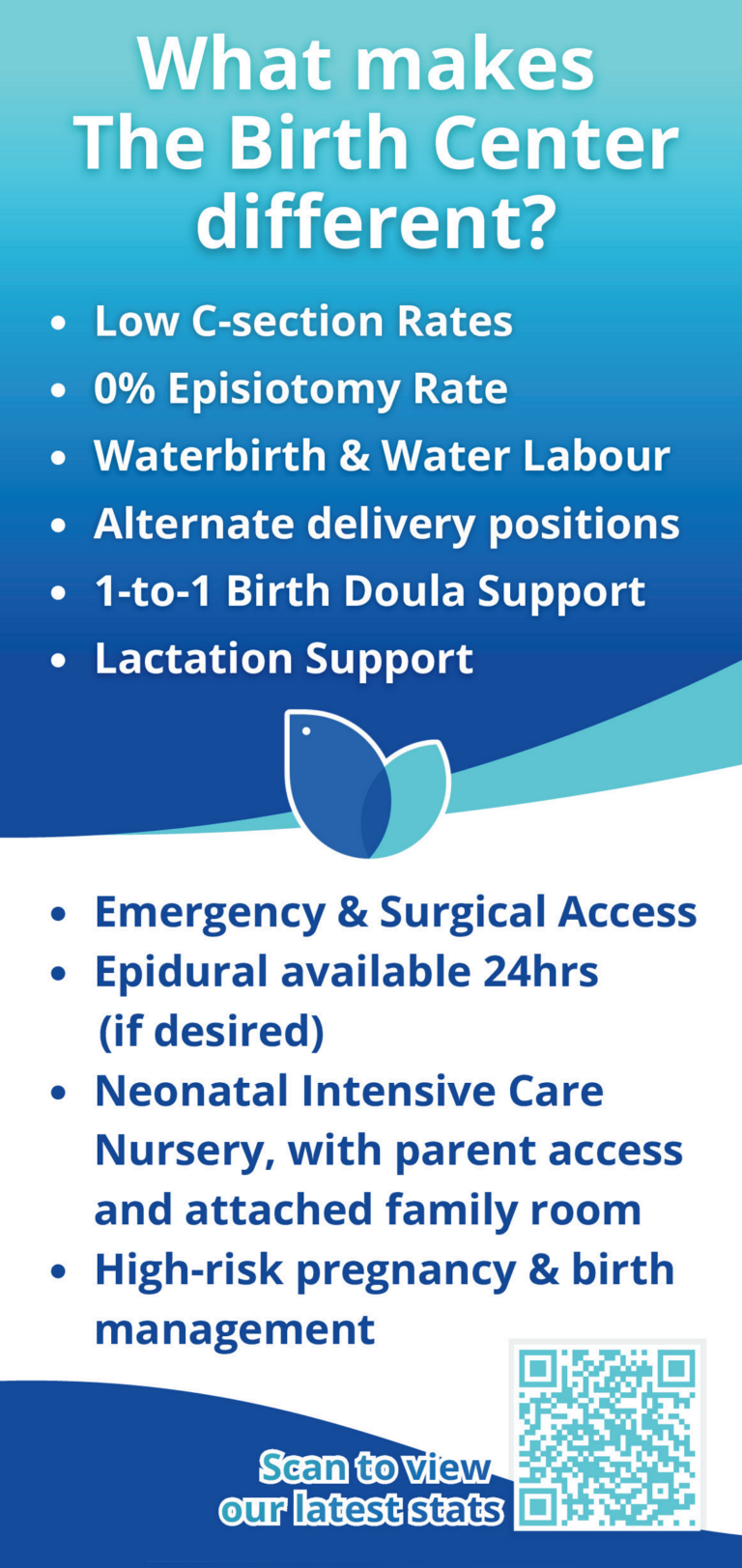

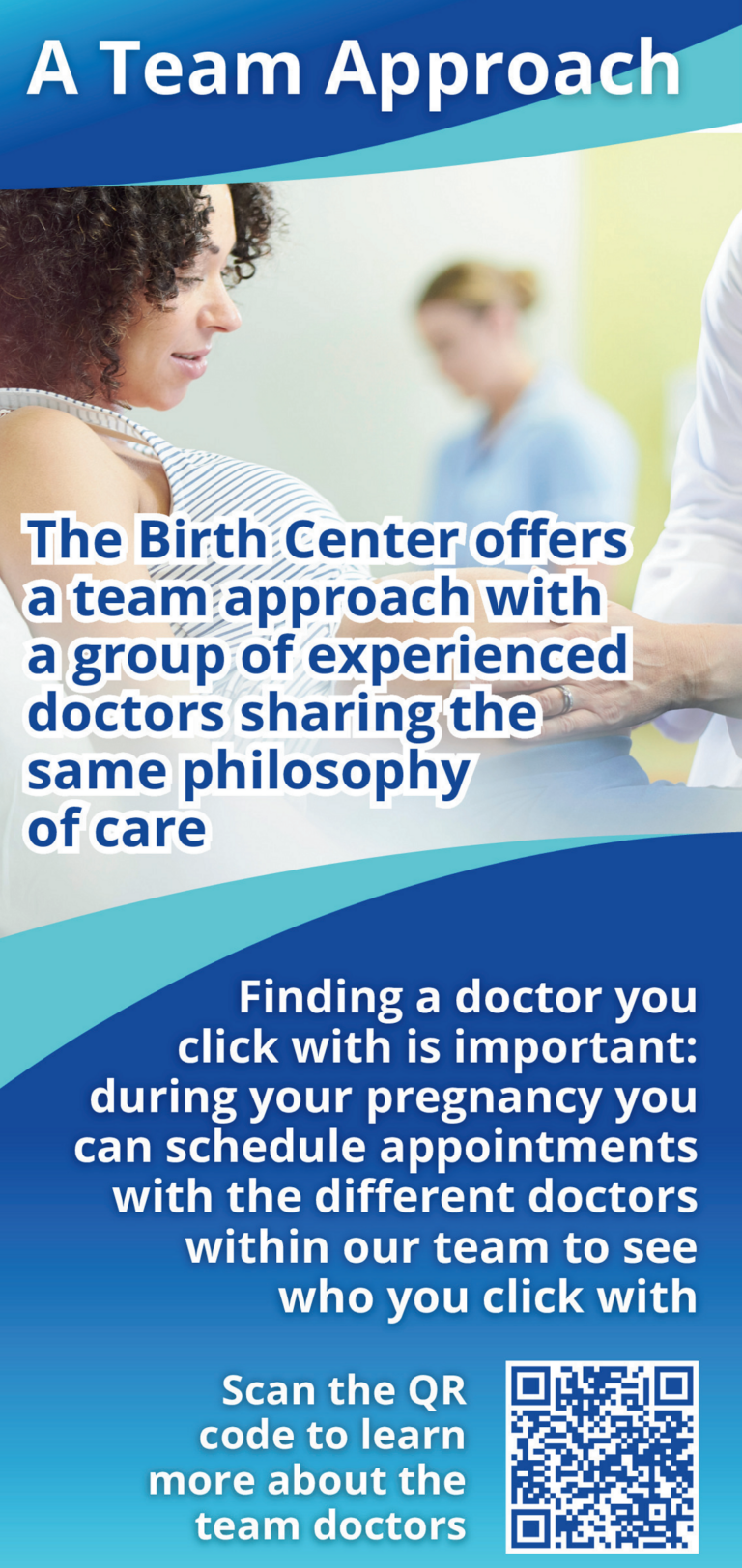
(Scroll right to see more)
– Insurance Partners –

– Service Information –
Address: 17 Floor, 155 Songyuan Road,
Xuhui District, Shanghai
9:00 – 17:00 Monday to Saturday
WeChat Enquiries & Appointments:

You may also be interested:
Your Prenatal Transition Checklist for Moving to Shanghai
Practical Relief Tips for Third-Trimester Discomfort